

20th Floor, Tamkeen Tower, Riyadh, KSA

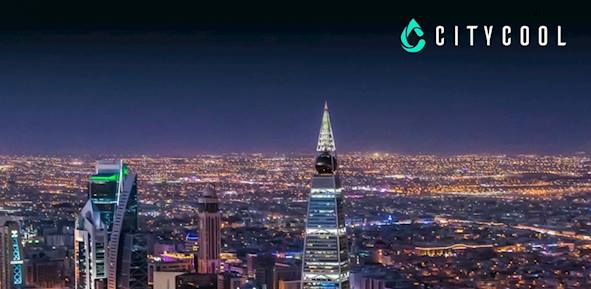
Revolutionizing Urban Cooling: How District Cooling is Reshaping Sustainable Development in Saudi Arabia
As the world faces increasing environmental challenges and energy demands, countries like the Kingdom of Saudi Arabia are investing in smarter, cleaner infrastructure to support their rapidly growing cities. Among these innovations, district cooling is proving to be one of the most transformative solutions for large-scale urban developments — offering not just operational savings, but meaningful contributions to national sustainability goals under Vision 2030.
What is District Cooling?
District cooling is a centralized system that produces chilled water at a central plant, distributing it via an insulated network of underground pipes to multiple buildings for air conditioning. It replaces the need for individual, energy-hungry air conditioning units in each building, optimizing energy use on a large scale.
Unmatched Energy Efficiency and Carbon Reduction
Compared to conventional cooling systems, district cooling can reduce energy consumption by 40–50% over average setups. This significant drop in energy use translates directly into lower carbon emissions — a key metric in Saudi Arabia’s Vision 2030 Environmental Sustainability agenda.
Peak Demand Reduction & Grid Resilience
In Saudi Arabia, where summer temperatures frequently exceed 45°C, cooling demand contributes to peak load stress on the national grid. District cooling can reduce peak power demand by 30% on average, and an additional 20% with integrated thermal storage solutions. This capability enhances grid stability, delays the need for new power plants, and reduces operational strain on existing infrastructure.
Scalability for Mega-Projects and Giga-Developments
From NEOM to Diriyah Gate, Saudi Arabia’s Vision 2030 giga-projects are designed with sustainability and smart infrastructure in mind. District cooling’s scalability makes it ideal for such developments — allowing Central Cooling plants to expand capacity as new buildings come online, without disturbing existing operations. This future-proof approach ensures cooling infrastructure evolves alongside urban growth.
Environmental & Economic Value Creation
In addition to efficiency and emissions benefits, district cooling plays a significant role in boosting property values and enhancing the marketability of real estate projects. According to Knight Frank’s 2023 GCC Sustainability Report, buildings with advanced, sustainable infrastructure — including district cooling — can command an 8%–18% premium in sale and lease prices, driven by growing demand from environmentally conscious tenants and investors.
On the financing side, projects that integrate district cooling are increasingly eligible for green or ESG-linked financing, often available at 20–70 basis points cheaper than conventional funding (MSCI ESG Real Estate Report 2023). This financial advantage compounds over time, especially in large-scale, capital-intensive developments.
In Line with Saudi Vision 2030
District cooling directly supports several core pillars of Vision 2030:
As Vision 2030 accelerates, district cooling will increasingly become a standard infrastructure requirement for urban masterplans, airports, commercial hubs, and mega-developments across the Kingdom.
Conclusion: A Smart, Sustainable Future
As economic incentives, climate imperatives, and national development goals align, district cooling is no longer a niche solution — it’s a strategic necessity for future-ready cities. With its ability to lower emissions, stabilize energy grids, reduce costs, and support high-value real estate development, it offers a clear pathway for delivering on Saudi Arabia’s sustainability and economic diversification goals.
For developers, governments, and energy planners alike, district cooling isn’t just about cold air — it’s about building smarter, cleaner, and more resilient communities for future generations.