

20th Floor, Tamkeen Tower, Riyadh, KSA

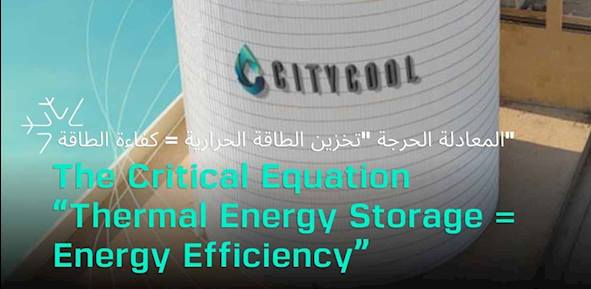
Thermal Energy Storage: A Catalyst for Industrial Decarbonization in the Middle East
The Middle East, historically dependent on fossil fuels, is now at a critical juncture in its energy transition. As countries in the area, particularly those in the Gulf Cooperation Council (GCC), set ambitious targets for carbon neutrality, the decarbonization of industrial heat emerges as a crucial challenge. Thermal Energy Storage (TES) technology presents a promising solution to this challenge, offering a pathway to reduce the region's substantial industrial carbon footprint while maintaining economic competitiveness.
Industrial Heat: A Significant Contributor to Emissions
In the Middle East, the industrial sector accounts for a significant portion of energy consumption and carbon emissions. According to reports, the region consumed 421.4 million metric tons of oil in 2023, with a substantial portion dedicated to processing heat. The region's energy-intensive industries, including oil and gas, petrochemicals, and cement production, rely heavily on fossil fuels for high-temperature processes, contributing to the region's carbon emissions.
The Promise of Thermal Energy Storage
Thermal Energy Storage systems offer a compelling solution to decarbonize industrial heat in the Middle East. These systems can store excess thermal energy generated during off-peak hours or from renewable sources, making it available for use during peak demand periods. This capability is particularly valuable in a region with abundant solar resources but intermittent generation or with cities having utilities based on variable rates for peak and off peak hours.
Economic and Environmental Benefits
The adoption of TES in the region’s industries offers dual benefits: environmental sustainability and economic competitiveness. By enabling the use of renewable energy for industrial heat, TES can significantly reduce carbon emissions. A study by the International Renewable Energy Agency (IRENA) suggests that widespread adoption of renewable energy technologies, including TES, could reduce CO2 emissions in the GCC region by 136 million tonnes annually by 2030.
From an economic perspective, TES systems can help industries in the Middle East reduce their energy costs. As the cost of renewable energy continues to decline in the region, with solar PV prices reaching as low as $0.0135 per kWh in some recent auctions, TES can help industries capitalize on this low-cost energy by storing it for use during higher-price periods.
Challenges and Opportunities
Despite its potential, the adoption of TES in Middle Eastern industries faces several challenges. The relatively low cost of fossil fuels in many countries in the region has historically disincentivized investment in alternative technologies. However, as countries in the region diversify their economies and commit to carbon reduction targets, the landscape is changing.
Saudi Arabia's Vision 2030 and the UAE's Energy Strategy 2050 are examples of national initiatives that create opportunities for TES adoption. These strategies aim to increase the share of renewable energy and improve energy efficiency across sectors, including industry.
As the Middle East navigates its energy transition, Thermal Energy Storage emerges as a critical technology for decarbonizing industrial heat. By enabling the integration of renewable energy into industrial processes, TES offers a pathway to reduce carbon emissions while maintaining the competitiveness of the region's vital industrial sector. As policy support grows and renewable energy costs continue to decline, the adoption of TES in Middle Eastern industries is poised to accelerate, contributing significantly to the region's sustainability goals.
Sources :
https://www.irena.org/publications/2016/Jan/Renewable-Energy-Market-Analysis-The-GCC-Region